Autumn in Wisconsin
Corn harvested, stalks bailed, a few rows left next to the woods for wildlife. (Lodi, Wisconsin)
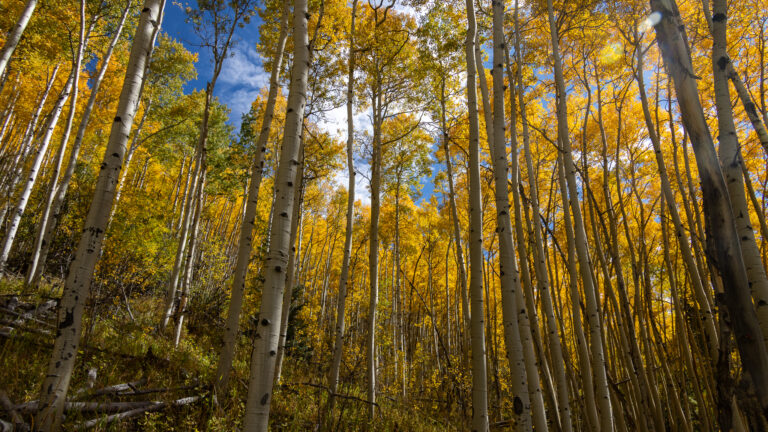
Aspens, evergreens, and the mountains of Colorado’s Sawatch Range. (Twin Lake, Colorado)
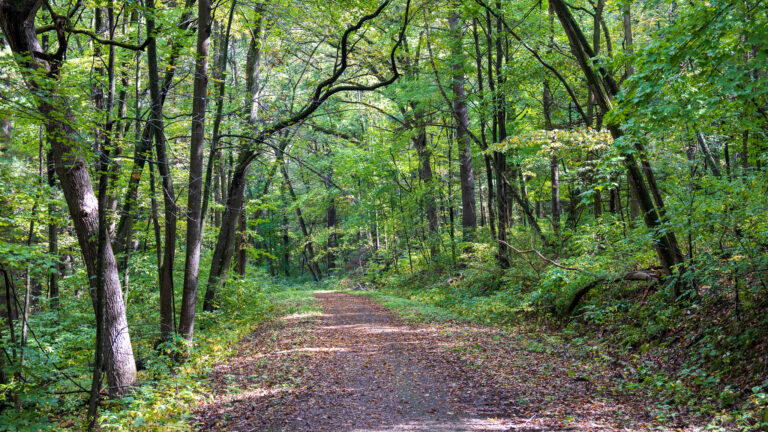
Hiking up the East Bluff Trail with falling leaves. The harsh winter season is not far behind – Devil’s Lake State Park. (Baraboo, Wisconsin)
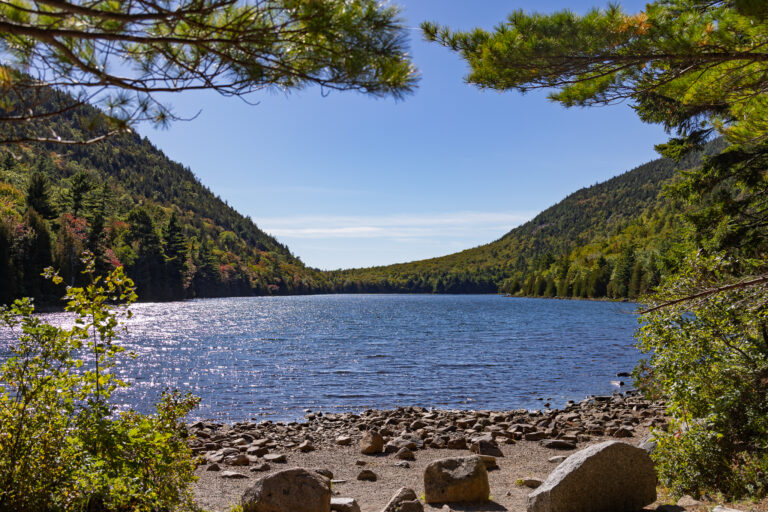
A landscape which is the product of great expanses of time. Massive geologic forces— mountain building, molten magmas, and huge ice sheets—formed the landscape, while the persistent forces of erosion—water, wind, and waves—ever so slowly continue to shape what we see today. The view from Cadillac Mountain – Acadia National Park (Bar Harbor, Maine)
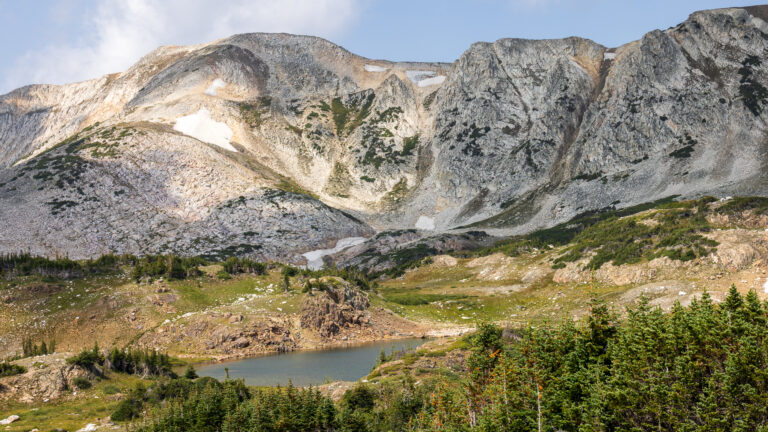
The high-alpine Lake Marie nesteled in the Snowy Mountains, where harsh winters give way for a few months each year for regeneration – Medicine Bow-Routt National Forest. (Centennial, Wyoming)
The forest and a few lesser peaks of the Cascade Range within Mt. Rainier National Park. (Sunrise, Washington)
Door County’s karst geology is characterized by fractured limestone bedrock and thin soil cover. Taking care to protect natural springs, streams and wetlands is vital to the health of water both above ground and below the surface – Harold C. Wilson Three Springs Nature Preserve is protected by the Door County Land Trust. (Sister Bay,…
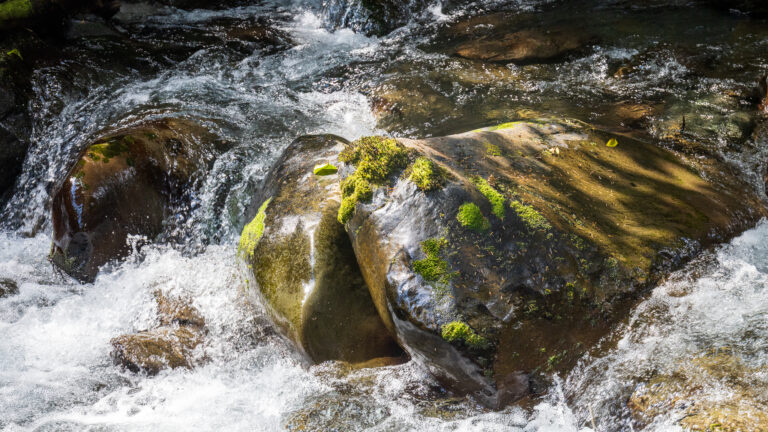
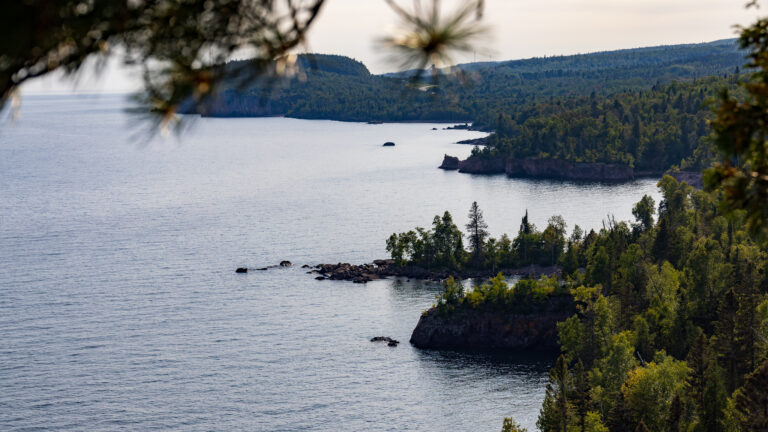
The Baptism River makes its way through Minnesota’s north woods on it’s way to Lake Superior. High Falls Trail – Tettegouche State Park. (Silver Bay, Minnesota)
Autumn leaves surround the North Shore Pavilion at Devil’s Lake State Park as seen from the West Bluff Trail. (Baraboo, Wisconsin)
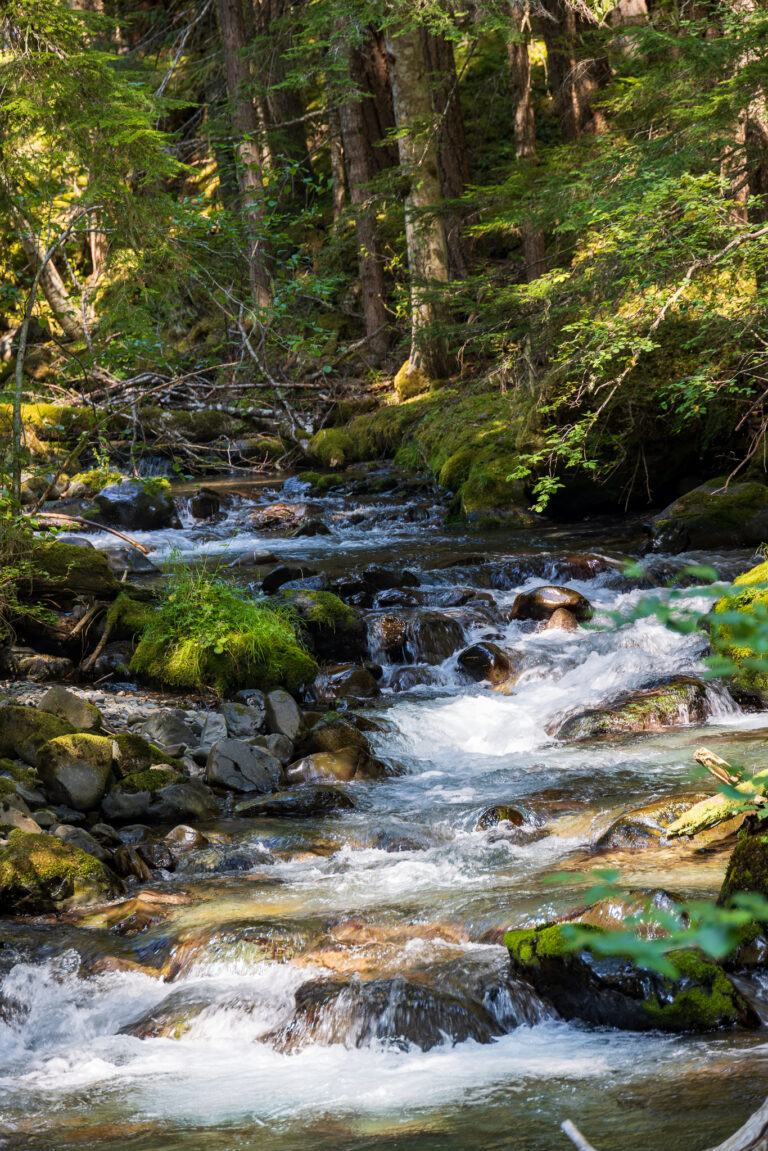
The Pacific Northwest offers both temperate oceanic rainforest and warm-summer Mediterranean climates, making for beautiful hiking areas, like the remote Lower Dungeness Trail along the Dungeness River – Olympic National Forest. (Sequim, Washington)